
From Pain to Peace: How Deep Tissue Massage Can Transform Your Self-Care Routine

In today’s fast-paced world, where stress and tension are as common as a morning cuppa, deep tissue massage offers a sanctuary of calm and rejuvenation. As more people seek wellness solutions that provide lasting relief, the benefits of deep tissue massage become ever more appealing. This targeted therapy not only melts away muscle tension but also offers chronic pain relief, making it a vital addition to any self-care routine. With its unique massage therapy techniques, this approach delves deep beneath the surface to address persistent aches and strains, promoting an overall sense of peace and well-being. Join us as we explore the transformative power of deep tissue massage and how it can be seamlessly incorporated into your life for maximum health benefits.
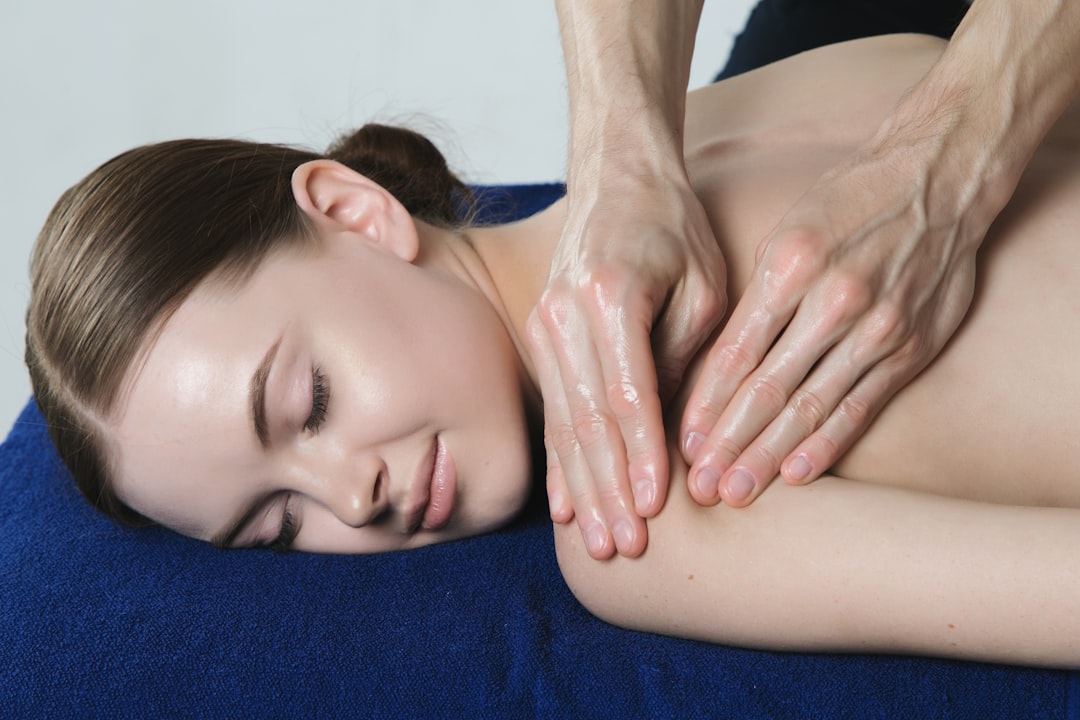
Transforming Your Self-Care Routine
Incorporating deep tissue massage into your self-care routine can be a game-changer for your overall well-being. Let’s explore how this powerful technique can benefit you, alleviate chronic pain, and enhance your wellness journey.
Benefits of Deep Tissue Massage
Deep tissue massage offers a myriad of benefits that can significantly improve your quality of life. This technique goes beyond surface-level relaxation, targeting the deeper layers of muscle and connective tissue.
One of the primary advantages is its ability to reduce muscle tension and stiffness. By applying firm pressure and slow strokes, deep tissue massage can break down adhesions, or ‘knots’, that often form in muscles and tissues.
Moreover, this type of massage can improve blood circulation, which is crucial for overall health. Enhanced blood flow means better oxygen and nutrient delivery to your muscles and organs, promoting faster healing and recovery.
Lastly, deep tissue massage can boost your body’s production of serotonin, a neurotransmitter that helps regulate mood, sleep, and appetite. This natural mood enhancer can leave you feeling more relaxed and positive after each session.
Alleviating Chronic Pain
For those grappling with persistent discomfort, deep tissue massage can be a beacon of hope. This technique is particularly effective in addressing chronic pain conditions that affect millions of people worldwide.
Research has shown that deep tissue massage can be especially beneficial for lower back pain, a common ailment in our sedentary society. By targeting the deep layers of muscle and fascia, this therapy can help release tension and improve flexibility in the affected area.
Fibromyalgia sufferers have also reported significant improvements after regular deep tissue massage sessions. The therapy can help reduce the severity of pain and improve sleep quality, two crucial factors in managing this challenging condition.
Additionally, those with arthritis may find relief through deep tissue massage. While it’s not a cure, the technique can help improve joint mobility and reduce the stiffness associated with this inflammatory condition.
Enhancing Overall Wellness
Beyond pain relief, deep tissue massage plays a crucial role in enhancing overall wellness. It’s a holistic approach that addresses both physical and mental well-being.
Stress reduction is one of the most significant wellness benefits of deep tissue massage. By promoting relaxation and reducing cortisol levels, regular sessions can help you better manage the daily pressures of life.
Furthermore, this therapy can improve your posture. Many of us develop poor posture habits due to long hours at desks or looking at screens. Deep tissue massage can help realign your body by releasing tension in key areas like the neck, shoulders, and lower back.
Lastly, deep tissue massage can boost your immune system. By improving lymphatic drainage and blood circulation, it helps your body more effectively remove toxins and fight off potential infections.
Understanding Deep Tissue Massage
To fully appreciate the power of deep tissue massage, it’s essential to understand how it works. This technique is rooted in anatomy and physiology, targeting specific areas of the body to provide maximum benefit.
Targeting Specific Muscle Groups
Deep tissue massage is a precision technique that focuses on particular muscle groups to address specific issues. This targeted approach is what sets it apart from other forms of massage therapy.
The therapist will typically begin by warming up the muscles with lighter pressure before gradually increasing the intensity. This preparation allows them to access the deeper layers of muscle and connective tissue more effectively.
Different strokes and techniques are used depending on the muscle group being treated. For example, the therapist might use their forearms or elbows to apply pressure to larger muscle groups like those in the back, while fingers and thumbs are more suitable for smaller areas like the neck or feet.
By focusing on specific muscle groups, deep tissue massage can address chronic tension patterns and postural issues more effectively than general massage techniques.
Releasing Accumulated Tension
One of the primary goals of deep tissue massage is to release tension that has built up in the muscles and connective tissues over time. This accumulated tension can lead to pain, restricted movement, and poor posture.
The therapist uses slow, deliberate strokes to apply pressure along the muscle fibres. This technique helps to break down adhesions, or ‘knots’, that form when muscle fibres stick together. These adhesions can restrict movement and cause pain.
As the tension is released, you might experience a sensation of ‘good pain’ – a feeling that’s intense but ultimately relieving. This is a sign that the therapy is working to break down those stubborn knots and adhesions.
It’s important to note that the effects of deep tissue massage aren’t just temporary. Regular sessions can lead to long-term changes in muscle tension and flexibility, contributing to improved posture and reduced pain over time.
Incorporating Massage into Daily Life
Making deep tissue massage a regular part of your self-care routine can have transformative effects on your health and well-being. Here’s how you can seamlessly integrate this powerful therapy into your life.
Finding the Right Therapist
Choosing the right massage therapist is crucial for a positive and effective deep tissue massage experience. It’s important to find someone who is not only skilled but also aligns with your specific needs and preferences.
Start by checking the therapist’s qualifications and certifications. In the UK, look for therapists registered with professional bodies like the Complementary and Natural Healthcare Council (CNHC) or the Federation of Holistic Therapists (FHT).
Don’t hesitate to ask potential therapists about their experience with deep tissue massage and any specialisations they might have. Some therapists focus on sports injuries, while others might specialise in treating chronic pain conditions.
It’s also worth considering practical factors like location, availability, and cost. Many people find it helpful to read reviews or ask for recommendations from friends or healthcare providers.
Remember, a good therapist should make you feel comfortable and listened to. They should be willing to adjust their technique based on your feedback and needs.
What to Expect During a Session
Knowing what to expect can help you feel more relaxed and get the most out of your deep tissue massage session. Here’s a general outline of what a typical session might look like:
-
Consultation: Your therapist will likely begin with a brief discussion about your health history, any specific issues you’re experiencing, and your goals for the session.
-
Preparation: You’ll be asked to undress to your comfort level and lie on the massage table, typically under a sheet or towel.
-
Warm-up: The therapist will start with lighter pressure to warm up your muscles and prepare them for deeper work.
-
Deep tissue work: Using various techniques, the therapist will apply firm pressure to target deeper layers of muscle and connective tissue.
-
Cool-down: The session usually ends with lighter strokes to help your body transition and relax.
Remember, communication is key. Don’t hesitate to let your therapist know if the pressure is too much or not enough, or if you’re experiencing any discomfort.
Tips for Consistent Self-Care Routine
Incorporating deep tissue massage into your self-care routine requires some planning and commitment. Here are some tips to help you make it a consistent part of your wellness journey:
-
Schedule regular sessions: Aim for a massage every 4-6 weeks, or more frequently if you’re dealing with chronic pain or high stress levels.
-
Prepare for your sessions: Stay hydrated before and after your massage, and avoid heavy meals just before your appointment.
-
Practice self-massage: Between professional sessions, use foam rollers or massage balls to maintain muscle health.
-
Complement with stretching: Regular stretching can help maintain the benefits of your massage and improve overall flexibility.
-
Listen to your body: Pay attention to how you feel after each session and communicate any changes or concerns to your therapist.
Remember, consistency is key. Regular deep tissue massage, combined with other healthy habits, can lead to significant improvements in your overall well-being over time.